
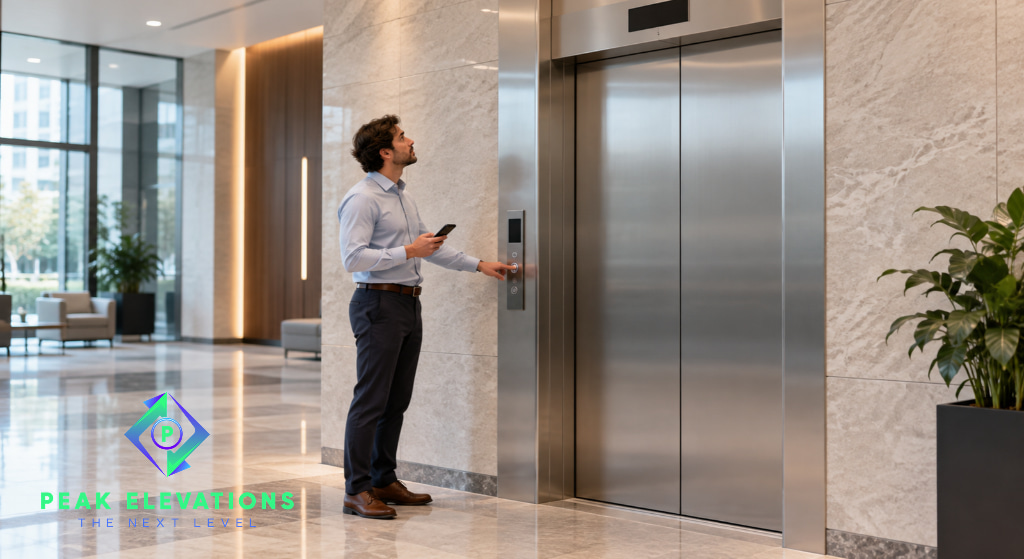
Having a residential elevator in your St. Petersburg home makes daily life much easier. It helps you move between floors safely and quickly. However, finding out that your elevator will not move can be very stressful. If you are stuck wondering, “What should I do if my elevator isn’t responding?”, you have come to the right place.
We will guide you through the safe steps to take when your home elevator stops working.
Key Takeaways
- Check the power source: Make sure your home’s circuit breaker has not tripped, and the main power is on.
- Inspect the doors and tracks: Ensure the elevator doors are completely closed, and nothing is blocking the tracks or safety sensors.
- Stay outside the cabin: If the elevator is not moving, do not step inside the cab or try to force the doors open.
- Call a professional: Contact a trained technician for safe Residential Elevator Repairs instead of trying to fix the machinery yourself.
- Schedule routine upkeep: Regular Residential Elevator Maintenance prevents sudden breakdowns and extends the total life of your system.
Step 1: Stay Calm and Check Your Safety
When a home elevator stops working, the first rule is to stay calm. If you are inside the elevator, press the emergency call button or use your cell phone to ask for help. Most modern home elevators have battery backups to safely lower you to the bottom floor.
If you are outside the elevator, do not try to pry the doors open. Forcing the doors can damage the system or create a major safety hazard. Just take a deep breath and prepare to do some basic troubleshooting from the outside.
Step 2: Check Your Home’s Power Supply
Sometimes, the issue is not the elevator itself. The problem might be your home’s power. Go to your electrical panel and check the circuit breakers. Look for a flipped switch connected to your elevator.
If the breaker tripped, you can try resetting it once. If it flips again right away, stop immediately. This means there is an electrical problem.
You will need a professional to look at it to prevent fire risks. Do not keep flipping the switch.
Step 3: Look at the Elevator Doors and Sensors
A residential elevator will not move if it thinks the doors are open. This is a built-in safety feature to protect your family. Check the door on your current floor. Make sure it is securely closed and latched.
Also, check the door tracks for dirt, dust, or small objects. A tiny pebble or a pet toy can block the track. This stops the door from closing all the way.
Next, wipe down the safety sensors. If the sensors are dirty, they might think something is in the way. Use a clean and dry cloth to gently wipe them off.
Step 4: Press the Call Button Again
After checking the power and the doors, try pressing the call button one more time. Give it a few seconds to respond.
Listen closely for any strange sounds. Do you hear a clicking noise? Does the motor sound like it is straining?
These sounds are very important clues. If you end up calling a repair company, telling them about these sounds will help them find the problem faster.
What Not to Do When Your Elevator Breaks
Knowing what to avoid is just as important as knowing what to do. Never try to fix the elevator’s wiring by yourself. Working with electricity is very dangerous and requires a specific license.
Never climb into the elevator shaft. The shaft has heavy moving parts that can cause serious injury. Finally, do not ignore small problems. If your elevator has been making strange noises or stopping unevenly, those were warning signs.
Ignoring these signs always leads to bigger and more expensive problems later on.
How St. Petersburg Weather Impacts Your Elevator
Living in St. Petersburg, Florida, offers beautiful weather and sunshine. However, the high humidity and salty air can affect the mechanical parts of your home elevator. Moisture in the air can cause metal cables and door tracks to rust over time.
The humid climate can also cause electrical sensors to malfunction. This local weather makes routine care even more important for homeowners in our area. Keeping the tracks clean and the moving parts well-oiled will protect your system from the damp Florida environment.
The Need for Professional Residential Elevator Repairs
If the basic checks do not work, it is time to call an expert. Handling Residential Elevator Repairs requires special training and special tools. A trained technician knows how to safely inspect the cables, the motor, and the control panel.
They can pinpoint the exact cause of the problem without guessing. Getting professional help protects your expensive investment.
More importantly, it protects your family. An improperly repaired elevator is incredibly dangerous. Always trust an expert for any major fixes in your home.
Prevent Future Problems with Residential Elevator Maintenance
The best way to handle a broken elevator is to stop it from breaking in the first place. You can do this with routine Residential Elevator Maintenance. An expert should look at your system at least once a year.
During a maintenance visit, the technician will lubricate moving parts and test the safety brakes. They will also check the electrical connections and make sure the cab stops level with the floor. Regular upkeep keeps your elevator running smoothly. It also saves you money by catching small issues before they become expensive repairs.
Frequently Asked Questions
How long do home elevators usually last?
With proper care, a home elevator can last 20 to 25 years. You must schedule routine service and replace parts as they wear out to reach this maximum lifespan.
Why is my home elevator beeping?
A beeping elevator usually means the battery backup is low or there is a problem with the door sensors. Check that the door is fully closed. If the beeping continues, call a technician for help.
How often should I service my home elevator?
You should have a professional service your home elevator at least once a year. If you use the elevator many times a day, you might want to schedule service every six months.
Can I use my elevator during a power outage?
Most modern home elevators have a battery backup system. This system will safely lower the cab to the nearest floor so you can get out. However, you should not try to use the elevator again until the main power returns to your home.
Contact Peak Elevations Elevator Today
If you live in St. Petersburg, Florida, or the surrounding counties, you do not have to deal with elevator problems alone. Whether you need fast Residential Elevator Repairs or routine Residential Elevator Maintenance, Peak Elevations Elevator is here to help.
Our team of skilled professionals will get your home elevator running safely and smoothly again. We also offer expert installation services for new systems.
